Giving Tuesday has quickly grown into the world’s largest day of giving. Since its start in 2012, it has spread to over 100 countries, inspiring billions in donations every year. For nonprofits, schools, and community groups, it’s a powerful chance to rally supporters and meet ambitious goals.
But not all campaigns achieve the same results. Some stand out, raising impressive amounts and energizing their communities. So, what separates the best Giving Tuesday campaigns from the rest? Let’s break down the traits of successful campaigns and how you can apply them to your own efforts.
Traits of the Best Giving Tuesday Campaigns
The best Giving Tuesday campaigns share common traits: strong branding, clear calls to action, mobile-friendly donation pages, social sharing, storytelling, peer-to-peer fundraising, transparency, and consistent follow-up. Together, these form the backbone of a winning strategy

Strong Branding That Stands Out
Successful Giving Tuesday campaigns grab attention right away with branding that feels professional and trustworthy. Consistent use of logos, colors, and fonts helps supporters instantly recognize your organization across emails, social media, and your donation page. When donors see a cohesive, well-branded campaign, they’re more likely to view your organization as reliable, and more willing to give.

A Crystal-Clear Call to Action (CTA)
Donors need clarity. Whether it’s “Give $25 to fund classroom supplies” or “Help us reach our $10,000 goal,” a direct ask increases giving. Successful Giving Tuesday campaigns:
-
Break down donation levels into tangible impacts.
-
Use action-driven words like “Join,” “Support,” or “Give.”
-
Repeat the CTA across emails, social media, and donation pages.
Clear CTAs not only drive donations but also help you stand out on a busy giving day.

Online Giving Across Devices
Online giving is essential, and it’s important to optimize for both mobile and desktop users. In 2024, 45% of online donations were made on mobile devices, while desktops still accounted for 55%. Gift sizes also differed: the average donation was $76 on mobile compared to $145 on desktop.
The best Giving Tuesday campaigns prepare for both:
-
Mobile-optimized layouts for quick, on-the-go giving.
-
Seamless desktop pages for donors making larger contributions.
-
Multiple payment options (credit card, digital wallets, eChecks).
-
Checkout flows that are short, clear, and easy across all devices.
Balancing both experiences ensures you capture spontaneous mobile donations while supporting more considerable desktop gifts.

Easy Sharing and Promotion
Make sure supporters see and engage with your Giving Tuesday campaign. That starts with clear, consistent promotion across all your channels: email, social media, newsletters, and even flyers or posters for local communities. Using branded hashtags ties your effort into the larger Giving Tuesday movement, while short videos or graphics help your message stand out in crowded feeds.
Donation match challenges are another proven way to spark excitement, since people love knowing their gift can go twice as far. Social media posts shouting out donors or groups also build community and show appreciation in real time, encouraging even more participation.
The key is making your campaign visible, engaging, and rewarding to be part of. When people see that every gift counts and every donor matters, they’re more likely to give and share.

Storytelling That Inspires
One of the most powerful elements of the best Giving Tuesday campaigns is the ability to tell a story that truly resonates. Donors connect far more with human experiences than with abstract statistics, which is why the strongest campaigns lean into personal narratives. Sharing heartfelt testimonials from beneficiaries, highlighting individual journeys, and showcasing authentic moments through short videos or photos can spark an emotional connection that numbers alone can’t achieve.

Social Proof and Peer-to-Peer Fundraising
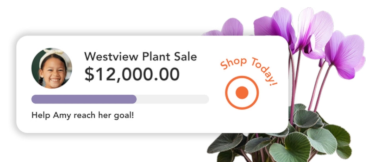
Nothing motivates generosity like seeing others take action. Social proof, whether it’s a live progress bar, a donor wall, or simple updates about how many people have already given, creates momentum and reassures potential donors that they’re part of something bigger.
Peer-to-peer fundraising takes that momentum even further. By allowing supporters to create their own mini-campaign pages, you expand your reach beyond your immediate network. Each personal page brings a new layer of authenticity, since donors aren’t just hearing from your organization, they’re hearing from a friend, coworker, or family member who believes in your mission. Check out this peer-to-peer template from Cheddar Up to give you an idea of what your campaign can look like.
Together, social proof and peer-to-peer fundraising transform your Giving Tuesday campaign from a single organization’s effort into a community-driven movement.


Highlighting 501(c)(3) Status
If your organization is a 501(c)(3) nonprofit, highlight that everywhere. Donors value tax-deductible donations, especially at year’s end. Strong Giving Tuesday campaigns:
-
Display nonprofit status clearly on donation pages.
-
Mention tax benefits in CTAs.
-
Send receipts that double as tax documents.
This builds credibility and encourages higher donation amounts.
Giving Tuesday Campaign Example
They opened their campaign two weeks before Giving Tuesday and kept it running after the big day to maximize donations. The campaign emphasized urgent needs like printer ink, library furniture, and classroom supplies. The message was simple: “Help us make up for budget cuts so teachers and students don’t go without.”
The results were impressive: the school raised more than $23,000, proving how a clear, time-sensitive campaign can inspire generosity. Their strategy combined early promotion, strong storytelling, and an extended giving window. All traits of the best Giving Tuesday campaigns.
Ready to launch a successful campaign just like this Cheddar Up organizer? Start with a Giving Tuesday template designed to set you up for success.
How to Build the Best Giving Tuesday Campaigns
With the right tools, creating one of the best Giving Tuesday campaigns becomes simple. Cheddar Up brings all the proven best practices into one platform, helping you inspire generosity and raise funds to meet your fundraising goals.
Here’s how Cheddar Up supports success:
- Branded collection pages with banners, logos, and videos make your campaign look polished and credible.
- Seamless giving across devices ensures donors can contribute quickly on mobile or desktop with multiple payment options.
- Peer-to-peer fundraising and goal trackers expand your reach and keep momentum high.
Cheddar Up also helps you build trust with verified nonprofit badges and tax-deductible receipts, while automated thank-you notes and recurring donation options strengthen long-term relationships. With these tools in one place, your Giving Tuesday campaign can become the launchpad for sustained fundraising success.

Frequently Asked Questions
When is Giving Tuesday 2026?
Giving Tuesday 2026 is on December 1, 2026. It always falls on the Tuesday after Thanksgiving in the United States.
What makes the best Giving Tuesday campaigns stand out?
The best Giving Tuesday campaigns use strong branding, clear calls to action, mobile-friendly donation pages, peer-to-peer fundraising, and transparent communication about impact.
Do you have to be a nonprofit to participate in Giving Tuesday?
How do I promote my Giving Tuesday campaign?
Promote your campaign by sharing it on social media, emailing supporters, using branded hashtags, and encouraging peer-to-peer fundraising to expand reach.
Is Giving Tuesday only for donations?
No. While fundraising is common, Giving Tuesday also encourages volunteering, service projects, and acts of generosity of all kinds.
How much money is raised on Giving Tuesday?

Before you go
Use Cheddar Up to power your next fundraiser and set yourself up for one of the best Giving Tuesday campaigns yet. With customizable pages, seamless checkout, and peer-to-peer fundraising, everything you need to inspire generosity is built right in.
You may also like:

Parent Teacher Conference Sign Up: Free Template + How to Schedule (Step by Step)
Parent-teacher conferences are one of the best opportunities to connect with families, but coordinating them can get hectic. Between packed calendars, back-and-forth emails, and last-minute changes, building a conference schedule can feel like the hardest part.
A parent teacher conference sign up is an online schedule that lets families book a specific time to meet with a teacher, without the back-and-forth of email. Setting one up is simple, and this guide walks you through how to create a sign up, plan your schedule, and encourage more families to participate.
A digital sign up is the easiest way to manage conference scheduling. Instead of paper sign up sheets or endless email chains, families can reserve a time that works for them while you keep everything organized in one place.
Cheddar Up makes it even easier with a free Parent Teacher Conference Sign Up template. Customize the schedule with your conference dates and available time slots, then share your sign up with families in minutes. Parents can book their preferred time from any device, and you’ll always have an up-to-date schedule.

How to Run a Concession Stand: Ultimate Guide & Checklist
Ready to serve up fan favorites that make the crowd go wild? Learning how to run a concession stand is your ticket to a wildly successful game day, school event, or nonprofit fundraiser. With a little upfront organization, you can transform your booth into a buzzing hub of excitement and a major moneymaker for your team or club that parents and volunteers will absolutely love working at.
This complete guide walks you through every step of setting up a concession stand for schools, booster clubs, youth sports teams, and fundraisers. You’ll receive all of the best concession stand tips, including how to pick your menu, recruit and schedule volunteers, handle payments smoothly, and avoid the mistakes that cost groups money every season.
Whether this is your first concession stand or you’re overhauling a tired setup, you’ll leave with a complete process, including a helpful concession stand checklist, that you can hand off to next year’s organizer.

What does a PTA president do? Duties and responsibilities
Getting elected PTA president is equal parts exciting and terrifying. One minute you’re celebrating, and the next you’re wondering what comes next. So what does the job involve? As PTA president, you’ll lead the organization, keep the board working together, and help your group stay focused on supporting students and families.
This guide walks through what to expect, from working alongside the rest of your board to navigating a typical school year. You’ll also find tools and tips that can make the administrative side of the role easier.
A PTA president is the elected leader of a parent-teacher association who guides the organization, leads meetings, and serves as the main point of contact between the PTA, school leaders, and your community. You help keep the board aligned, members informed, and everyone working toward the same goals. Local PTAs are part of a nationwide network connected to the National PTA, which offers resources and guidance for leaders at every level.

PTA vs. PTO: Which Parent Group Is Right for Your School?
PTA and PTO are often used interchangeably, but they’re actually two different types of parent organizations. The difference matters because it affects everything from where membership dues go to how your group is governed and what resources are available.
Starting a new parent group? Joining the board? Just curious what all those letters mean? This guide breaks down the PTA vs. PTO difference, compares each option side by side, and helps you decide which is the best fit for your school.
A PTA (Parent Teacher Association) is a chartered member of the National PTA. Members pay dues, a portion of which goes to the national and state organizations, and the group follows PTA bylaws in exchange for training, resources, and a voice in education advocacy. A PTO (Parent Teacher Organization) is an independent group with no national affiliation. It keeps all its funds local, writes its own bylaws, and handles its own nonprofit status and insurance.
Tags: