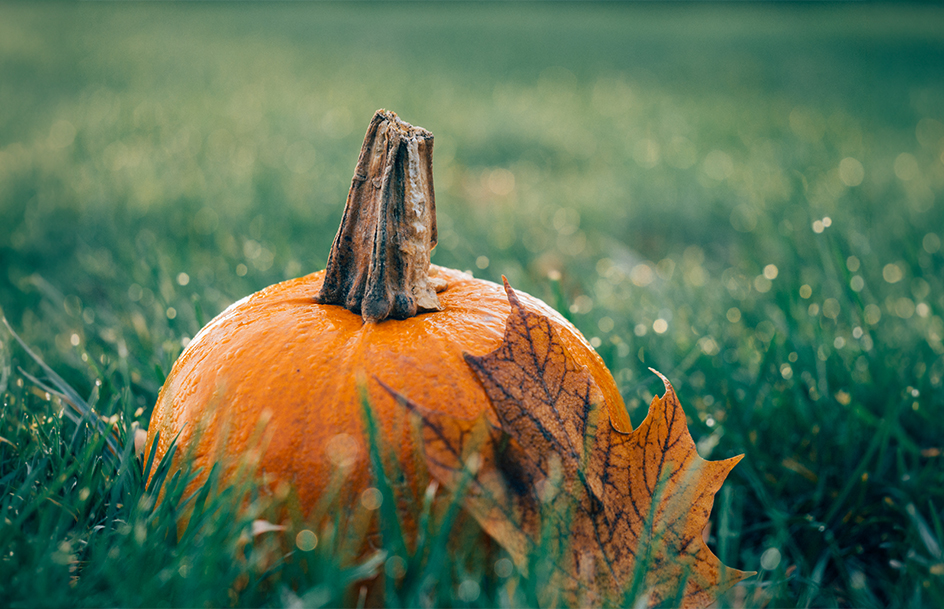
Fall is one of the easiest seasons to make exciting for preschoolers. The colors, the textures, the smells. But if you are a teacher building out a fall lesson plan or a parent trying to fill a few October afternoons, the challenge is finding fall activities for preschoolers that are achievable for ages 3 to 5.
Preschoolers do not need elaborate activities. They need interesting materials, a little space, and permission to explore. Everything on this list is designed with that in mind.

Fall classroom activities for preschoolers
Classroom autumn and fall activities work best when they tie into something kids are already learning. Counting, sorting, color recognition, and fine motor skills all have natural fall connections. Here are seven ideas that pull double duty as both fun and educational.
Leaf sorting by color.
Gather real or artificial leaves in red, orange, yellow, and brown. Give each child a sorting mat and ask them to group leaves by color. Simple, tactile, and great for color recognition in the 3 to 4 age range.
Pumpkin measurement.
Bring in a few small pumpkins of different sizes. Have kids use blocks, craft sticks, or yarn to measure how tall or wide each one is. Introduces non-standard measurement in a hands-on way.
Apple taste test.
Slice three apple varieties (Granny Smith, Fuji, Honeycrisp work well) and have kids taste each one. Chart their favorites on a simple class graph. A quick, delicious introduction to data and voting.
Fall nature table.
Set up a small table with pinecones, acorns, dried corn, seed pods, and leaves for kids to handle and explore freely. Change the items weekly to keep interest high. This works well as a calm morning arrival activity.
Scarecrow counting game.
Cut out felt or paper scarecrow parts and label each piece with a number. Kids collect the right number of buttons, patches, or straw pieces to match. Good for number recognition and one-to-one correspondence.
Pumpkin life cycle sequencing.
Print or draw simple images of a seed, sprout, vine, and pumpkin. Have kids put them in order and talk through what each stage needs to grow. Builds early science vocabulary.
Fall read-aloud corner.
Dedicate a reading corner to fall-themed books for the season. Titles like “Leaf Man” by Lois Ehlert or “Too Many Pumpkins” by Linda White pair well with any of the activities above and give kids vocabulary to describe what they are seeing and doing.

Planning a fall festival?
Our guide to preschool fall festival ideas walks through how to turn your classroom activities into a fundraiser event, from games and booths to collecting payments online.
Fall art activities for preschoolers
Fall art projects for preschoolers are most successful when the process matters more than the product. Focus on exploration and sensory experience rather than a finished piece that looks a certain way. These five projects are easy to set up with minimal supplies and achievable for ages 3 to 5.
Apple stamping.
Cut apples in half horizontally to reveal the star pattern inside. Dip the cut side in paint and press onto paper. Kids are always surprised by the star.
Supply list: apples, paint, paper, shallow trays.
Scarecrow collage.
Set out fabric scraps, yarn, buttons, and torn paper and let kids build their own scarecrow on a large sheet of paper. No template needed.
Supply list: fabric scraps, yarn, googly eyes, glue, paper.
Pumpkin painting.
Give each child a small sugar pumpkin and a set of washable paints. Let them decorate however they want. The pumpkin goes home as a keepsake.
Supply list: small pumpkins, washable paint, brushes.
Torn paper autumn tree.
Have kids tear orange, red, and yellow paper into small pieces and glue them onto a tree outline. Great for fine motor development and requires no scissors.
Supply list: colored paper, glue sticks, tree outline printed or drawn on cardstock.
Pro Tip:
Resist the urge to show kids exactly what the finished project should look like. Put out the supplies, point to what is available, and let them go. The results are almost always more interesting than anything you had planned.
Outdoor fall activities for preschoolers
Getting outside in fall is one of the simplest and most valuable things you can do with preschoolers. The season itself does most of the work. These activities use the natural environment as the classroom.
Nature scavenger hunt.
Give each child a simple picture-based checklist: a red leaf, an acorn, something smooth, something rough, a pinecone. Kids search the school yard or a nearby park and check off items as they find them. Adjust the list for your setting.
Nature collecting.
Give each child a small paper bag and send them out to collect whatever they find: acorns, pebbles, seed pods, pinecones, interesting sticks. Back inside, count the items, sort them by size or type, or add them to a sensory bin.
Puddle & mud exploration.
After a fall rain, give kids boots and permission to explore. Poking sticks in mud, watching leaves float in puddles, and feeling wet soil are all high-value sensory experiences.
Pumpkin patch visit.
If a field trip is possible, a local pumpkin patch gives kids a direct connection to where food comes from. Pair it with the pumpkin life cycle sequencing activity back in the classroom.
Shadow tracing.
On a sunny fall morning, have kids stand in the schoolyard while a partner traces their shadow with chalk. Come back at midday and compare. A simple introduction to how the sun moves.
Pro Tip:
For outdoor autumn preschool activities, send a simple one-line note to families the day before so kids arrive in appropriate footwear and clothing. A muddy surprise at pickup is less welcome than a muddy surprise you warned everyone about.
Fall sensory play ideas for preschoolers
Sensory play is a cornerstone of preschool learning, and fall gives you some of the best natural materials to work with. These four ideas are high engagement and easy to set up.
Dried corn kernel bin.
Fill a shallow bin with dried corn kernels, small scoops, and cups. Kids pour, fill, and explore freely. The sound and texture are deeply satisfying. Keep a hand-washing station nearby.
Cinnamon playdough.
Add a teaspoon of cinnamon to your regular playdough recipe for an instant fall sensory experience. The smell alone makes this a classroom favorite. Pair it with small leaf-shaped cookie cutters and rolling pins.
Apple-scented water table.
Add a few drops of apple or cinnamon essential oil to your water table along with small plastic apples, cups, and funnels. A calming, aromatic activity that works well after high-energy outdoor time.
Pumpkin guts exploration.
Scoop out the inside of a pumpkin into a sensory bin and let kids dig in with their hands and tools. Pull out seeds, sort them, rinse them, and dry them for counting or art projects. Messy but memorable.
How Cheddar Up can help with your fall activities
Autumn preschool programming comes with more coordination than it looks like from the outside. Cheddar Up is an online payment and forms platform made for teachers, parent volunteers, and group organizers who already have their hands full with busy preschoolers.
Collect field trip fees and permission forms before a pumpkin patch visit, run a supply drive for art materials, set up a volunteer sign up for activity stations, or sell tickets to a fall festival. Families pay and respond without downloading an app or creating an account, and you can see exactly who has paid and who has signed up in real time.
Here are a few templates to get you started quickly:


And, if you are looking to turn your fall programming into a fundraiser, our guide to preschool fundraising ideas covers everything from classroom giving campaigns to peer-to-peer fundraisers.
Frequently Asked Questions
What are good fall activities for preschoolers?
The best fall activities for preschoolers are sensory-friendly, simple to set up, and tied to something kids can see and touch. Leaf sorting, apple stamping, nature scavenger hunts, and cinnamon playdough all work well for ages 3 to 5. Keep materials minimal and focus on the process rather than a finished product.
What fall art projects are easy enough for 3 to 5 year olds?
Apple stamping, handprint trees, and torn paper collages are all achievable for ages 3 to 5 with minimal adult support. Look for projects with few steps, simple supplies, and no single correct outcome.
What outdoor fall activities are appropriate for preschoolers?
Nature scavenger hunts, nature collecting, and shadow tracing are all well-suited to preschool-age children outdoors. Use picture-based checklists rather than verbal instructions for kids who are still developing language, and keep activities open-ended enough that kids can explore freely.
How do you teach preschoolers about fall and autumn?
Start with real materials. Bring in leaves, pumpkins, and gourds and let kids handle them before you introduce vocabulary. Words like “harvest,” “migrate,” and “dormant” stick when kids have touched the things they describe. Pair hands-on exploration with simple books and sorting games to build language alongside experience. NAEYC’s guidance on developmentally appropriate practice for preschoolers is a useful reference for grounding this approach in early childhood research.
How can I incorporate fall activities into a preschool fundraiser?
Turn your classroom activity stations into a community fall festival where families pay an entry fee or make a donation. Art booths, sensory bins, and outdoor games all translate naturally from the classroom into an event format.

Before You Go
Fall is a genuinely great season for preschool learning. Pick a few ideas from this list of fall activities for preschoolers and adapt them for your space and your kids.
When you are ready to collect payments, run a supply drive, or organize volunteers, Cheddar Up makes it simple. Watch a 3-minute demo or sign up for a live learning session to see how it works.
You may also like:
Parent Teacher Conference Sign Up: Free Template + How to Schedule (Step by Step)
Parent-teacher conferences are one of the best opportunities to connect with families, but coordinating them can get hectic. Between packed calendars, back-and-forth emails, and last-minute changes, building a conference schedule can feel like the hardest part.
A parent teacher conference sign up is an online schedule that lets families book a specific time to meet with a teacher, without the back-and-forth of email. Setting one up is simple, and this guide walks you through how to create a sign up, plan your schedule, and encourage more families to participate.
A digital sign up is the easiest way to manage conference scheduling. Instead of paper sign up sheets or endless email chains, families can reserve a time that works for them while you keep everything organized in one place.
Cheddar Up makes it even easier with a free Parent Teacher Conference Sign Up template. Customize the schedule with your conference dates and available time slots, then share your sign up with families in minutes. Parents can book their preferred time from any device, and you’ll always have an up-to-date schedule.

How to Run a Concession Stand: Ultimate Guide & Checklist
Ready to serve up fan favorites that make the crowd go wild? Learning how to run a concession stand is your ticket to a wildly successful game day, school event, or nonprofit fundraiser. With a little upfront organization, you can transform your booth into a buzzing hub of excitement and a major moneymaker for your team or club that parents and volunteers will absolutely love working at.
This complete guide walks you through every step of setting up a concession stand for schools, booster clubs, youth sports teams, and fundraisers. You’ll receive all of the best concession stand tips, including how to pick your menu, recruit and schedule volunteers, handle payments smoothly, and avoid the mistakes that cost groups money every season.
Whether this is your first concession stand or you’re overhauling a tired setup, you’ll leave with a complete process, including a helpful concession stand checklist, that you can hand off to next year’s organizer.

What does a PTA president do? Duties and responsibilities
Getting elected PTA president is equal parts exciting and terrifying. One minute you’re celebrating, and the next you’re wondering what comes next. So what does the job involve? As PTA president, you’ll lead the organization, keep the board working together, and help your group stay focused on supporting students and families.
This guide walks through what to expect, from working alongside the rest of your board to navigating a typical school year. You’ll also find tools and tips that can make the administrative side of the role easier.
A PTA president is the elected leader of a parent-teacher association who guides the organization, leads meetings, and serves as the main point of contact between the PTA, school leaders, and your community. You help keep the board aligned, members informed, and everyone working toward the same goals. Local PTAs are part of a nationwide network connected to the National PTA, which offers resources and guidance for leaders at every level.

PTA vs. PTO: Which Parent Group Is Right for Your School?
PTA and PTO are often used interchangeably, but they’re actually two different types of parent organizations. The difference matters because it affects everything from where membership dues go to how your group is governed and what resources are available.
Starting a new parent group? Joining the board? Just curious what all those letters mean? This guide breaks down the PTA vs. PTO difference, compares each option side by side, and helps you decide which is the best fit for your school.
A PTA (Parent Teacher Association) is a chartered member of the National PTA. Members pay dues, a portion of which goes to the national and state organizations, and the group follows PTA bylaws in exchange for training, resources, and a voice in education advocacy. A PTO (Parent Teacher Organization) is an independent group with no national affiliation. It keeps all its funds local, writes its own bylaws, and handles its own nonprofit status and insurance.
Tags: