Membership drives are among the most effective tools organizations can use to grow their communities and increase engagement. When done well, a membership drive can build momentum and support long-term participation for an organization.
For nonprofits, PTAs, and community groups, a thoughtful membership drive can turn interest into action and supporters into active participants. Here’s how to make your next membership drive more effective and easier to manage, along with 10 ideas to help you get started.

What Is a Membership Drive?
A membership drive is a focused campaign to attract prospective members and encourage existing ones to renew within a set timeframe. It creates a clear moment for people to join or recommit, helps generate predictable, recurring revenue through membership dues, and strengthens engagement within your community.
Why Membership Drives Matter for Nonprofits, PTAs, and Groups
Your membership base supports how your organization operates day to day. It provides funding for programs and events and creates a more stable foundation over time. And, it connects directly to your membership pricing strategy, since how you structure dues and benefits influences both participation and retention.
This is also how nonprofit organizations can effectively increase their membership. By creating a clear moment to join and making the process simple, a membership drive turns interest into ongoing involvement.
For PTAs, that translates into more resources for classrooms and school programs. For nonprofits, it creates a steadier stream of support for their work. For booster clubs and community groups, it leads to stronger participation and more connected participants.

Build a membership form that actually converts
A strong membership drive starts with a clear, simple sign up experience. If you’re not sure what to include or how to structure it, this membership form template guide walks you through creating a simple, easy-to-complete, and easy-to-manage membership form.
Top 10 Membership Drive Ideas
The best membership drives are built around a few simple principles: urgency, visibility, and ease of action in the moment. The ideas below lean into those behaviors so you’re not just getting attention, you’re getting new member commitments.

Run a one-day membership sprint
Pick a single day and treat it like a focused push, not a background campaign. Plan a few emails, line up social posts, and make sure everyone involved is sharing the same message throughout the day: join now.
Giving Tuesday is a great example of this approach. People are already paying attention and ready to take action, so positioning membership as part of that moment can drive strong results.

Show a live membership goal
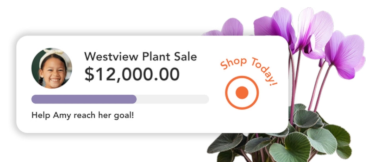
Set a target and make progress visible. “We’re aiming for 150 members this week,” works better when people can see that number moving.

Make it easy for members to spread the word
Build a simple peer-to-peer campaign by giving members a quick way to share your membership drive with their own networks. This can be as simple as providing a direct signup link, a short message they can copy or tweak, and a clear explanation of why membership matters.

Tie membership to a specific, immediate outcome
- “Each membership funds a field trip.”
- “This week’s goal covers classroom supplies.”
People act faster when they understand what their action does.

Lead with recurring memberships
If people have to remember to renew, some of them won’t. Position recurring membership payments as the easy option so they can join once and stay connected without another step. It removes future friction and builds more stable, predictable revenue.

Capture signups while people are already engaged
The best time to ask someone to join is when they’re already paying attention. That might be at an event, a meeting, or a school function. Instead of asking people to come back later, give them a quick way to sign up on the spot with a simple link or QR code.

Use a real deadline with context
Instead of “Join by Friday,” try:
- “We’re finalizing membership before planning begins.”
- “Sign up before we lock in event numbers.”
Context makes the deadline feel real rather than arbitrary.

Recognize members as they join
Make new memberships visible as they happen. A quick mention in an email, a social post, or a community update goes a long way. It shows that people are joining and that the drive is active. Recognition creates social proof. People are more likely to join when they see others doing it.

Segment your outreach
For example:
- People who have never joined before
- Past members who haven’t renewed
- Current or highly engaged supporters
- Event attendees who showed interest but didn’t sign up
- Parents with returning students vs. new families (for PTAs)
Even small adjustments in how you speak to each group can make your outreach feel more relevant and less likely to be ignored.

Use a “last call” follow-up push
Most people don’t join the first time they see your membership drive. A well-timed follow-up near the end of your campaign can make a real difference. A simple “last chance to join” message, a reminder tied to a deadline, or a quick recap of what membership supports is often enough to prompt action.
Bonus: PTA Membership Drive Ideas
PTA membership drives come with a unique challenge. You’re reaching parents who are already managing full schedules, constant school communication, and a long list of priorities. Our PTA membership drive guide covers the full process, including a letter template you can customize and send to families.
Here’s a quick look at strategies that tend to work well in a school setting:
Be specific about what membership supports
General messaging gets overlooked. Calling out things like field trips, supplies, or school events makes the impact easier to understand and act on.
Simplify the decision with a family option
A single membership that covers the household removes a common point of hesitation and speeds up the process.
Use moments when parents are already paying attention
Back-to-school nights, conferences, and school events give you a built-in window. When parents are already engaged, a quick way to join on the spot can make a big difference.
If you want to put this into practice quickly, start with a ready-to-use PTA membership template. It includes a simple signup flow, payment collection, and space to capture the details you need.

How to Manage a Membership Drive from Start to Finish
Once you have the idea and messaging in place, the next step is to make sure the drive runs cleanly. This is where most of the work happens behind the scenes.
Start with how people join.
If signup and payment happen in different places, you’ll end up having to fix it later. Someone fills out a form, but either doesn’t pay or pays without providing complete information. Keeping everything in one flow avoids that.
With membership management software like Cheddar Up, people can enter their information and pay in the same step. You can see it immediately without matching records across tools.
Then think about follow-up.
Most people won’t join the first time they see your message. A few well-timed emails, posts, or even a quick phone call will catch the people who meant to join but didn’t get to it.
Once the drive wraps up, don’t stop there. Have a membership renewal letter ready and a simple system in place to handle it. That way, you’re not rebuilding from scratch next time.
Finally, make sure someone owns the process.
If volunteers are running the membership drive, one person should be responsible for keeping things on track. That includes monitoring who’s joined, who hasn’t, and where follow-up is needed. Without that, things drift. For more tips, check out this comprehensive guide to managing volunteers for your organization.
See how organizations simplify membership payments
Groups like YPO (Young Presidents Organization) use Cheddar Up to make collecting membership dues and event payments easier for both organizers and members. See how they handle it in practice.
Frequently Asked Questions
How can a nonprofit organization effectively increase its membership?
Start by making it easy to join. A strong membership drive begins with a simple sign up process that works on mobile and allows people to complete everything in one step. Using a platform like Cheddar Up helps by combining registration, payment, and information collection, so there are fewer drop-off points. From there, focus on clear messaging and consistent follow-up
What are the best PTA membership drive ideas?
PTA drives tend to work best when they connect directly to the classroom or school experience. Classroom goals, clear ties to what funding supports, and quick signup options at events like back-to-school night all help increase participation. Keeping the process fast and easy is especially important for busy families.
What are some innovative ideas for membership drives in nonprofits?
Some of the most effective ideas focus on timing and visibility. A one-day membership sprint, a peer-to-peer campaign where members share with their networks, or a drive tied to a specific outcome like funding a program all tend to perform well. These approaches give people a clear reason to act and make the impact easy to understand.
What tools help manage a membership drive?
A successful membership drive usually requires a way to handle signups, payments, and tracking in one place. Using membership management software simplifies the process by combining all those steps into a single flow.
How do you handle payment and information security during a membership drive?
Use a trusted platform that keeps payments and member information in one place. Tools like Cheddar Up handle transactions securely and are PCI compliant, which helps protect payment data. Keeping everything centralized and limiting access to only those managing the drive also reduces risk.

Before You Go
If you’re getting ready for a membership drive, Cheddar Up can simplify the entire process from signup to payment. Take a few minutes to watch a demo or join a live session to see it in action.
You may also like:

Parent Teacher Conference Sign Up: Free Template + How to Schedule (Step by Step)
Parent-teacher conferences are one of the best opportunities to connect with families, but coordinating them can get hectic. Between packed calendars, back-and-forth emails, and last-minute changes, building a conference schedule can feel like the hardest part.
A parent teacher conference sign up is an online schedule that lets families book a specific time to meet with a teacher, without the back-and-forth of email. Setting one up is simple, and this guide walks you through how to create a sign up, plan your schedule, and encourage more families to participate.
A digital sign up is the easiest way to manage conference scheduling. Instead of paper sign up sheets or endless email chains, families can reserve a time that works for them while you keep everything organized in one place.
Cheddar Up makes it even easier with a free Parent Teacher Conference Sign Up template. Customize the schedule with your conference dates and available time slots, then share your sign up with families in minutes. Parents can book their preferred time from any device, and you’ll always have an up-to-date schedule.

How to Run a Concession Stand: Ultimate Guide & Checklist
Ready to serve up fan favorites that make the crowd go wild? Learning how to run a concession stand is your ticket to a wildly successful game day, school event, or nonprofit fundraiser. With a little upfront organization, you can transform your booth into a buzzing hub of excitement and a major moneymaker for your team or club that parents and volunteers will absolutely love working at.
This complete guide walks you through every step of setting up a concession stand for schools, booster clubs, youth sports teams, and fundraisers. You’ll receive all of the best concession stand tips, including how to pick your menu, recruit and schedule volunteers, handle payments smoothly, and avoid the mistakes that cost groups money every season.
Whether this is your first concession stand or you’re overhauling a tired setup, you’ll leave with a complete process, including a helpful concession stand checklist, that you can hand off to next year’s organizer.

What does a PTA president do? Duties and responsibilities
Getting elected PTA president is equal parts exciting and terrifying. One minute you’re celebrating, and the next you’re wondering what comes next. So what does the job involve? As PTA president, you’ll lead the organization, keep the board working together, and help your group stay focused on supporting students and families.
This guide walks through what to expect, from working alongside the rest of your board to navigating a typical school year. You’ll also find tools and tips that can make the administrative side of the role easier.
A PTA president is the elected leader of a parent-teacher association who guides the organization, leads meetings, and serves as the main point of contact between the PTA, school leaders, and your community. You help keep the board aligned, members informed, and everyone working toward the same goals. Local PTAs are part of a nationwide network connected to the National PTA, which offers resources and guidance for leaders at every level.

PTA vs. PTO: Which Parent Group Is Right for Your School?
PTA and PTO are often used interchangeably, but they’re actually two different types of parent organizations. The difference matters because it affects everything from where membership dues go to how your group is governed and what resources are available.
Starting a new parent group? Joining the board? Just curious what all those letters mean? This guide breaks down the PTA vs. PTO difference, compares each option side by side, and helps you decide which is the best fit for your school.
A PTA (Parent Teacher Association) is a chartered member of the National PTA. Members pay dues, a portion of which goes to the national and state organizations, and the group follows PTA bylaws in exchange for training, resources, and a voice in education advocacy. A PTO (Parent Teacher Organization) is an independent group with no national affiliation. It keeps all its funds local, writes its own bylaws, and handles its own nonprofit status and insurance.
Tags: